Hello Grasshoppa,
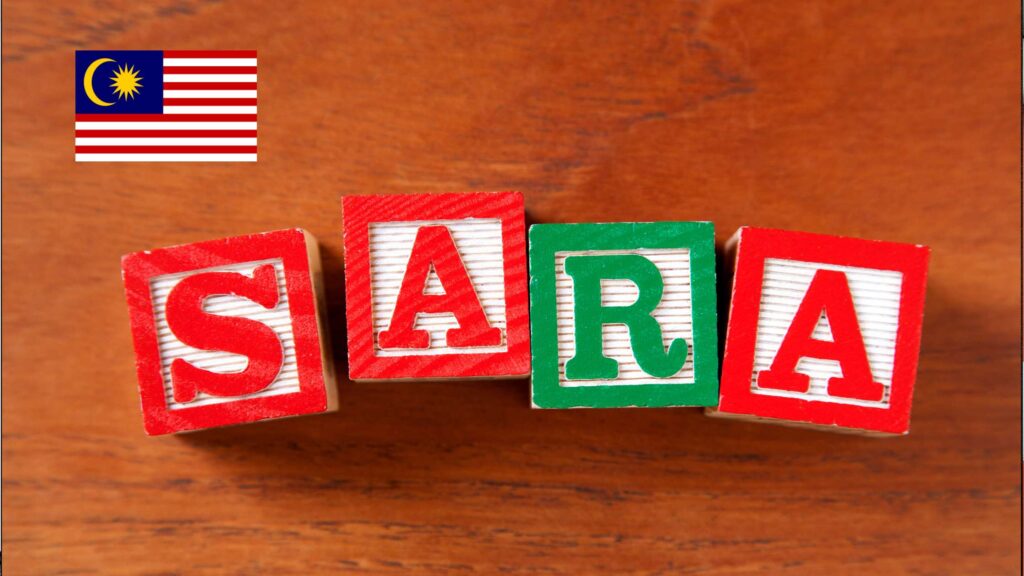
The government has rolled out a one-off RM100 cash handout—everyone aged 18 & above under the Sumbangan Asas Rahmah (SARA) programme will get it via MyKad. It’s meant to ease the cost of living, especially when daily essentials & fuel prices are squeezing household budgets. But here’s the real question: Does RM100 make a difference? Or is it just a token gesture?


Let’s dive in.
What we know so far
-
Around 22 million adults will benefit from this RM100 handout.
-
The total allocation is RM2 billion for this measure.
-
The cash must be spent at one of more than 4,100 participating supermarkets & grocery stores on basic goods between 31 August-31 December 2025.
-
It’s the first time this kind of universal cash aid is given on an individual basis—not per household. So if a household has multiple adults, each adult gets RM100.
How it helps & its limits
What RM100 can do
-
For many, RM100 can cover a decent portion of basic groceries for a week or two, especially in smaller towns. Rice, cooking oil, eggs, flour, toiletries, these are essentials, & having RM100 extra means fewer compromises.
-
The cash injection helps improve consumer sentiment. People will feel less pressured this month, this can ripple into more spending on local F&B, groceries & services. Analysts estimate private consumption growth could pick up by about 0.2 percentage points with this RM100 plus lower petrol cost.
-
The fact that it’s universal (for all adults) means lower administrative complication & no stigma. Everyone gets something, so poorer households still gain meaningfully.
What RM100 can’t do
-
The reality is, RM100 won’t stretch far for many households, especially in urban areas where the cost of living is high. For example, for a family of four adults, RM400 (collectively) helps, but still might only cover part of a single grocery shop.
-
Inflation & rising costs (electricity, food, petrol) eat into the value. If prices keep rising, the RM100 might just help you tread water rather than move forward.
-
Because the subsidy is “one-off,” its impact is temporary. The relief is immediate, but unless incomes, wages, or underlying subsidies or cost pressures are addressed, this won’t fix the root problems.


My take: How you make RM100 count
Grasshoppa, if you get this RM100, here’s how to use it so it helps more than just this month:
-
Use it on essentials you were already buying, don’t let it tempt you into buying non-essentials.
-
Plan your groceries. If you can stretch the RM100 by picking items that go further (bulk, staple foods), you get more value.
-
Combine it with other aid measures (like existing welfare, lower petrol prices, any discounts from local “Rahmah sales”). When multiple reliefs stack, they help more.
-
Don’t use it to take on new debt or to splurge, because the relief would be gone fast—but the payments remain.
Conclusion:
Yes, the RM100 subsidy does help. For many Malaysians, especially those in B40 or rural areas, it provides a much-needed breathing space. It’s not enough by itself to solve cost of living problems, but it eases immediate pressure, boosts morale, & reminds people that the government is aware & taking action.
If you treat RM100 smartly, it becomes more than just a handout—it becomes a lever, a way to stretch your budget, & maybe even invest in something small that eases future costs (cook at home more, buy in bulk, etc.).
It’s not game-changing by itself, but in the right hands, it’s a useful tool.

OSS!